
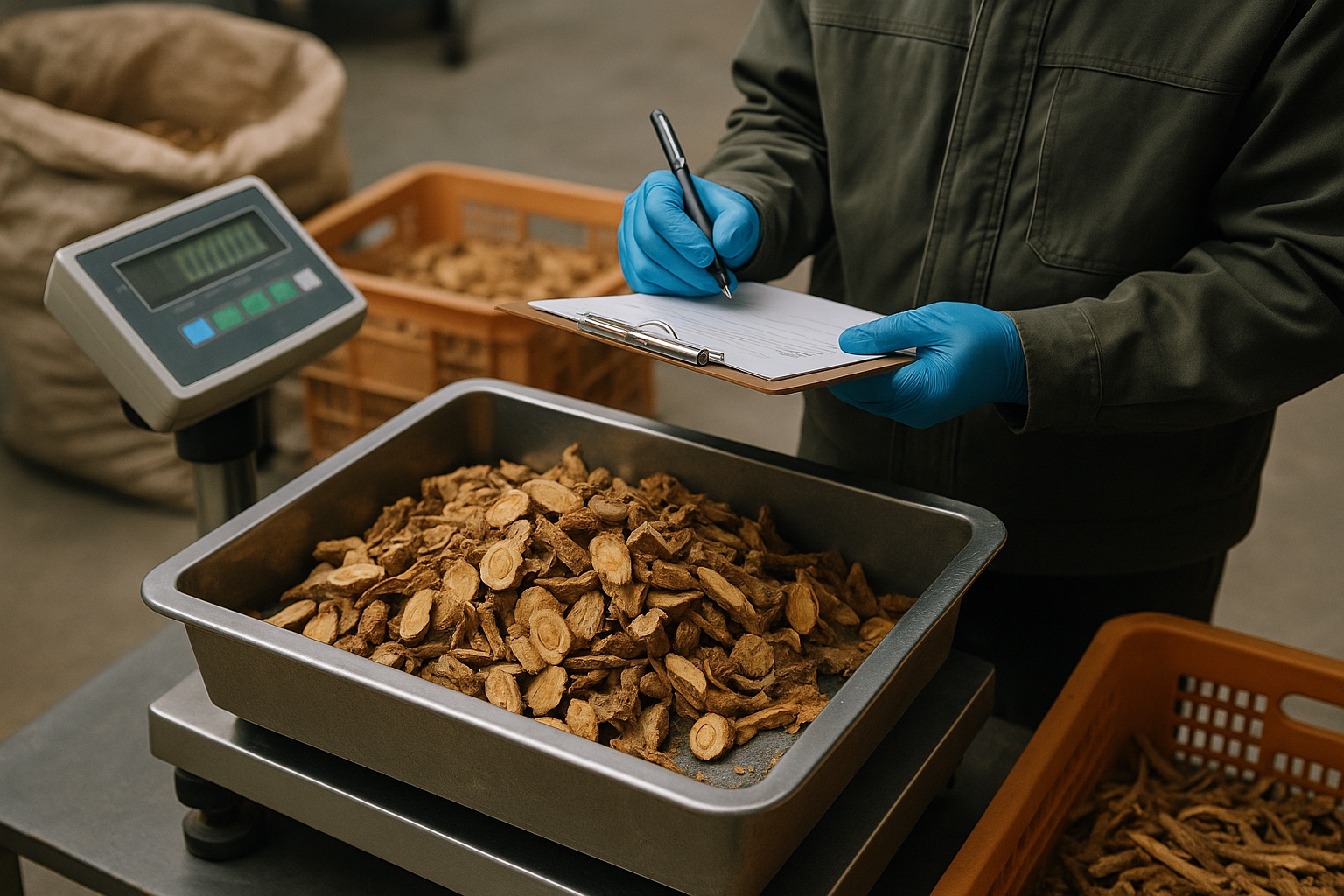
Botanical materials are sourced from certified suppliers and inspected for appearance, odor, foreign matter, and pest damage upon arrival.
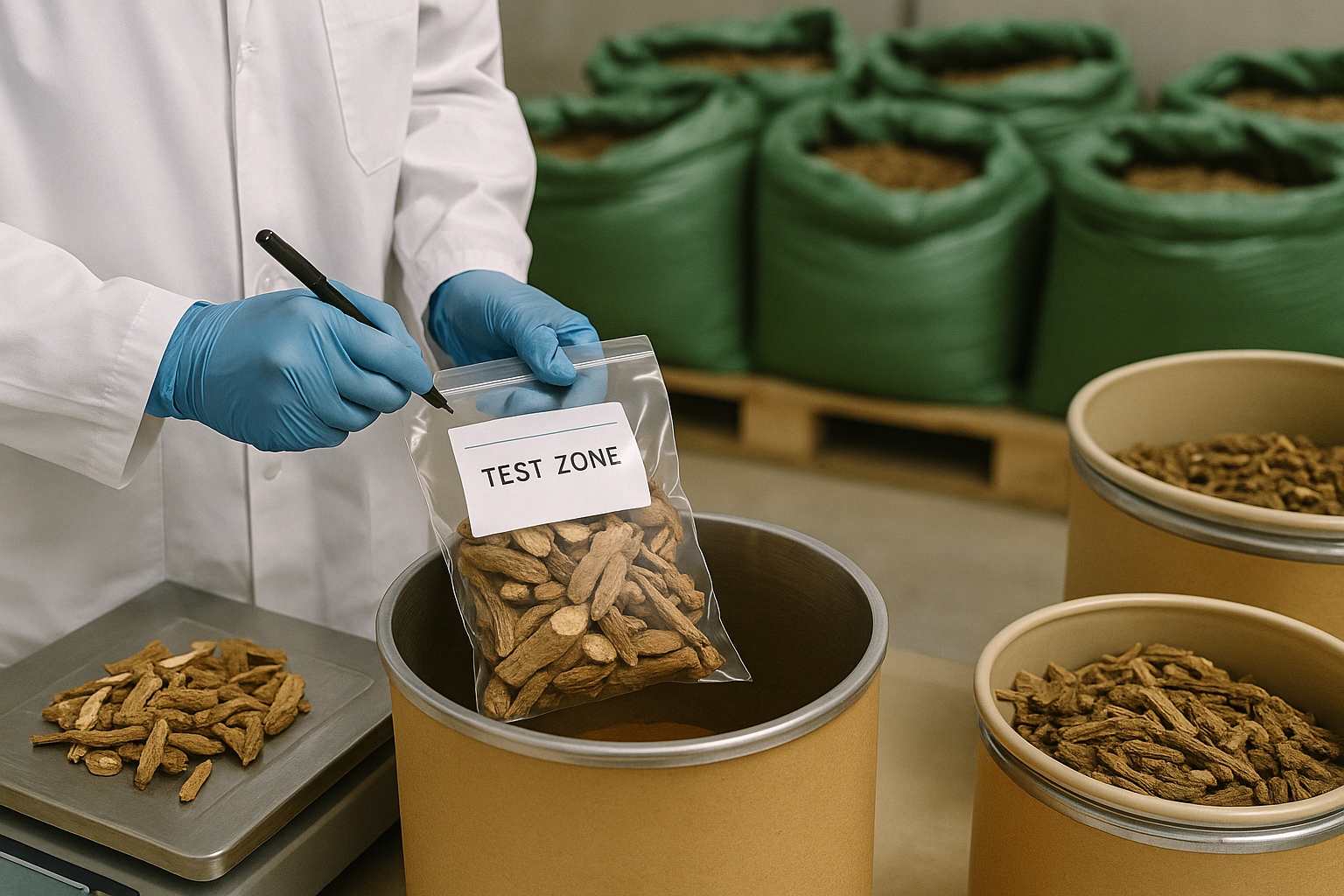
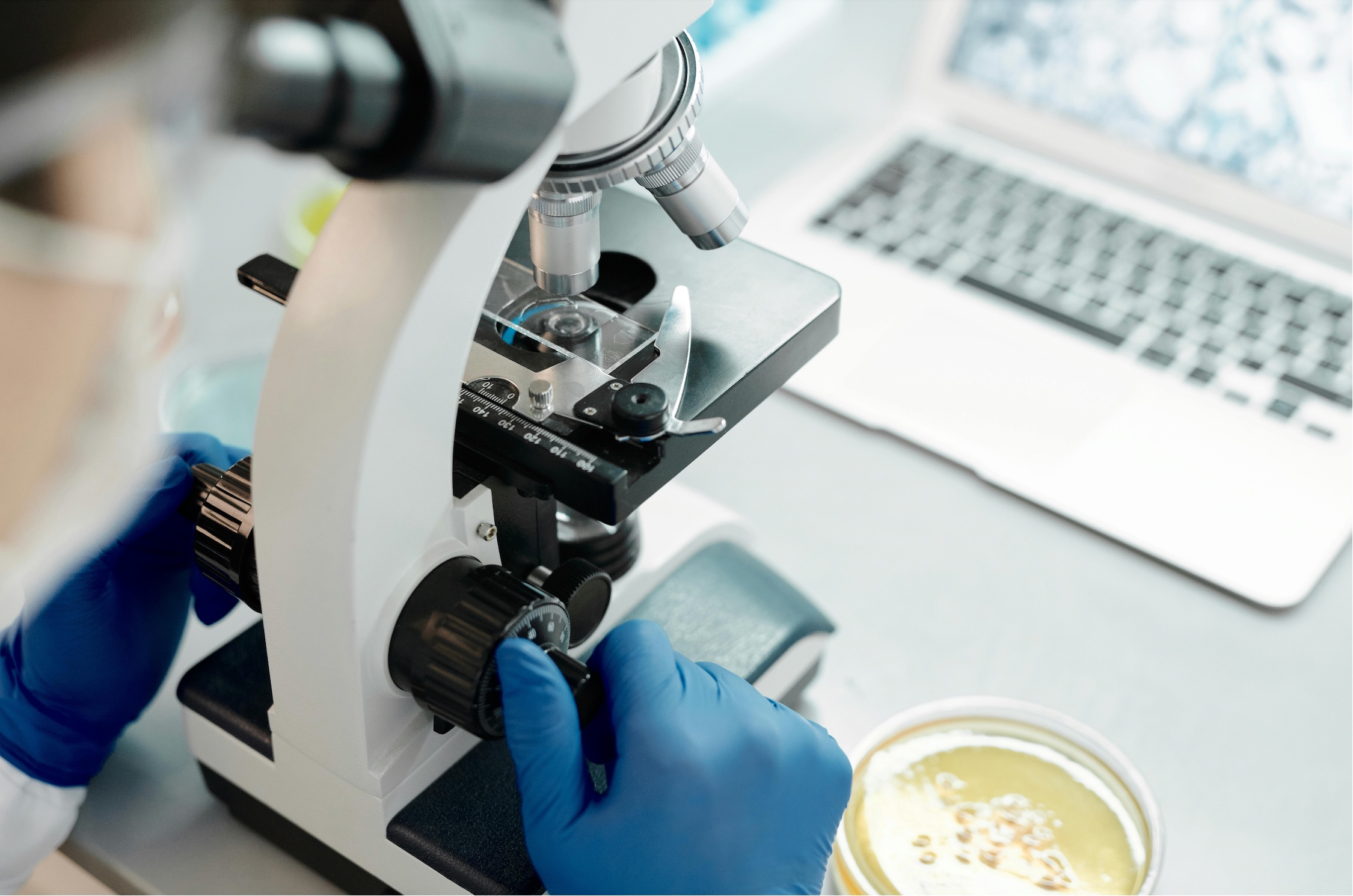
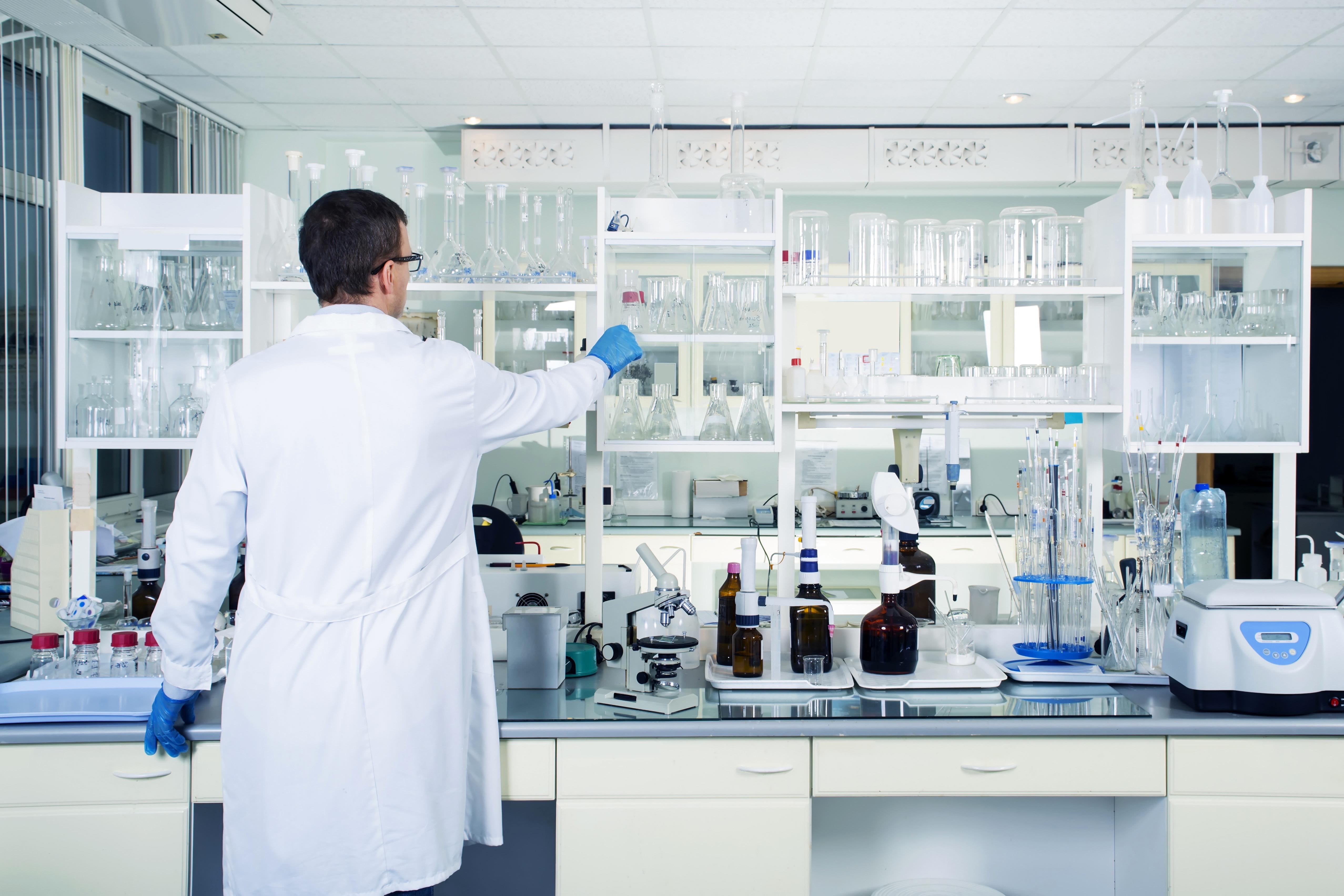
Raw materials are tested for moisture, microbial load, heavy metals (Pb, Cd, As, Hg), and botanical identity using methods like HP-TLC or DNA barcoding, then stored under controlled conditions.
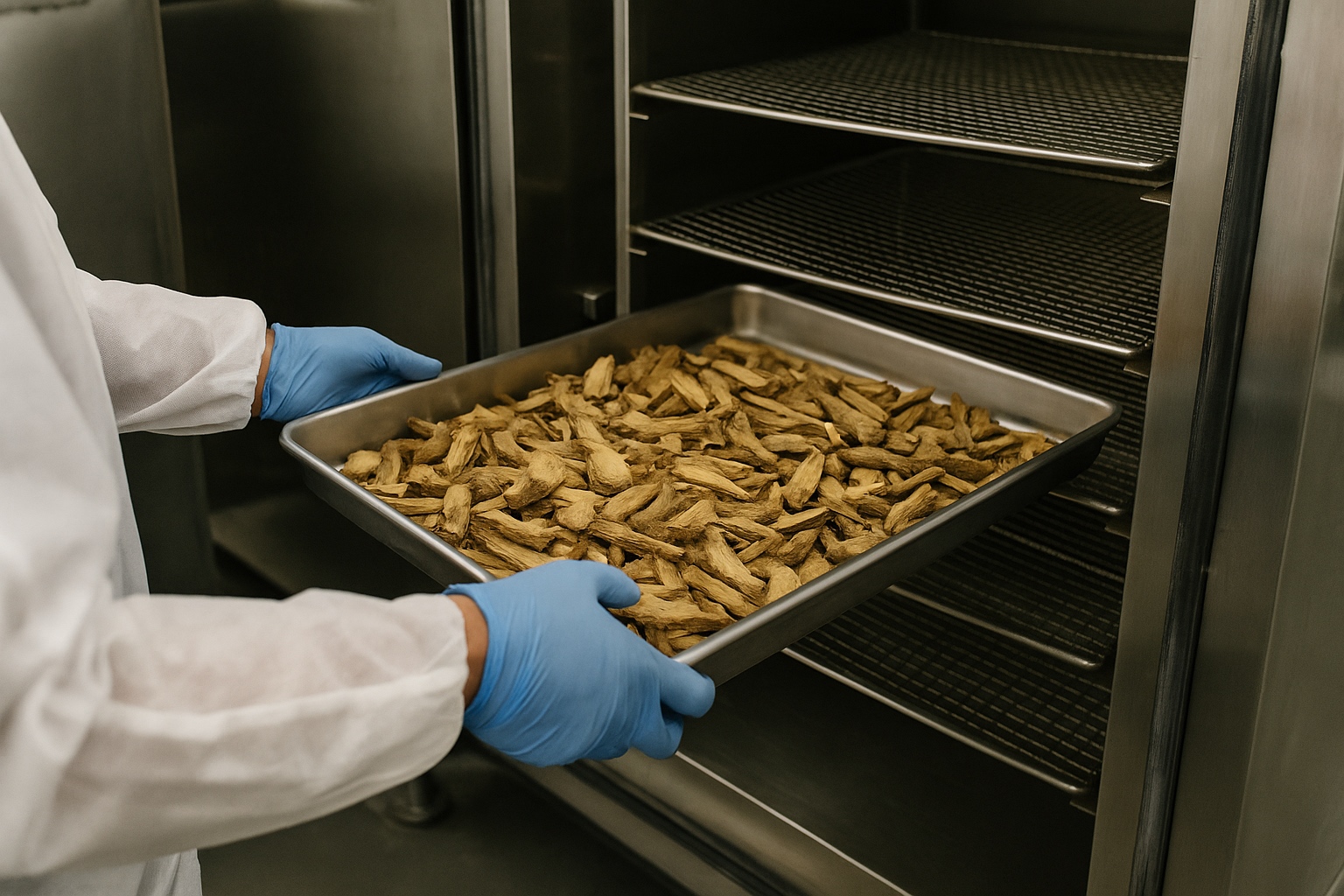
Materials are cleaned using air, vibration, or water-based systems and dried at low temperatures to reach specified moisture levels suitable for processing.
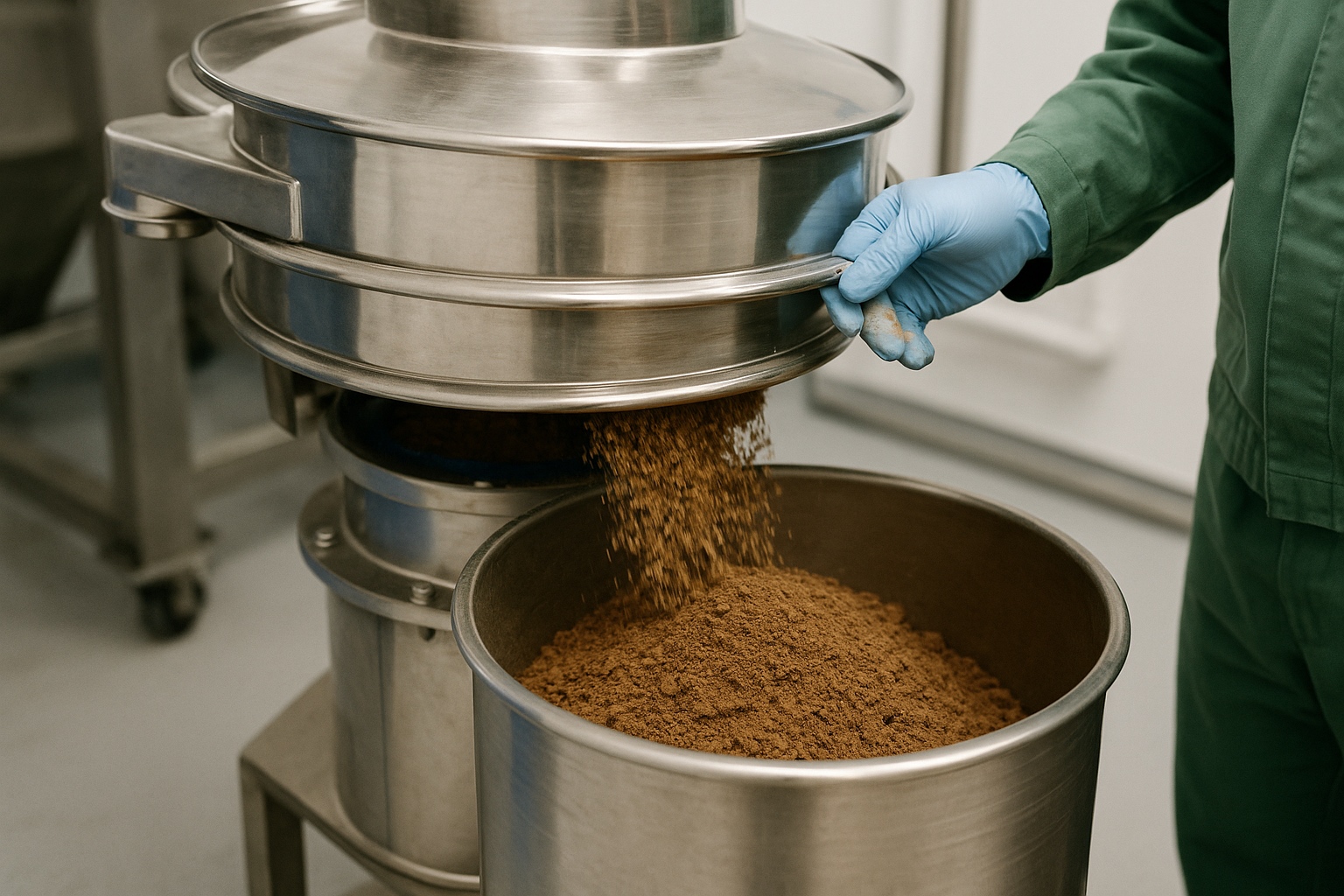
Dried botanicals are milled into uniform powders (e.g., 40–80 mesh) and sieved to optimize extraction efficiency.
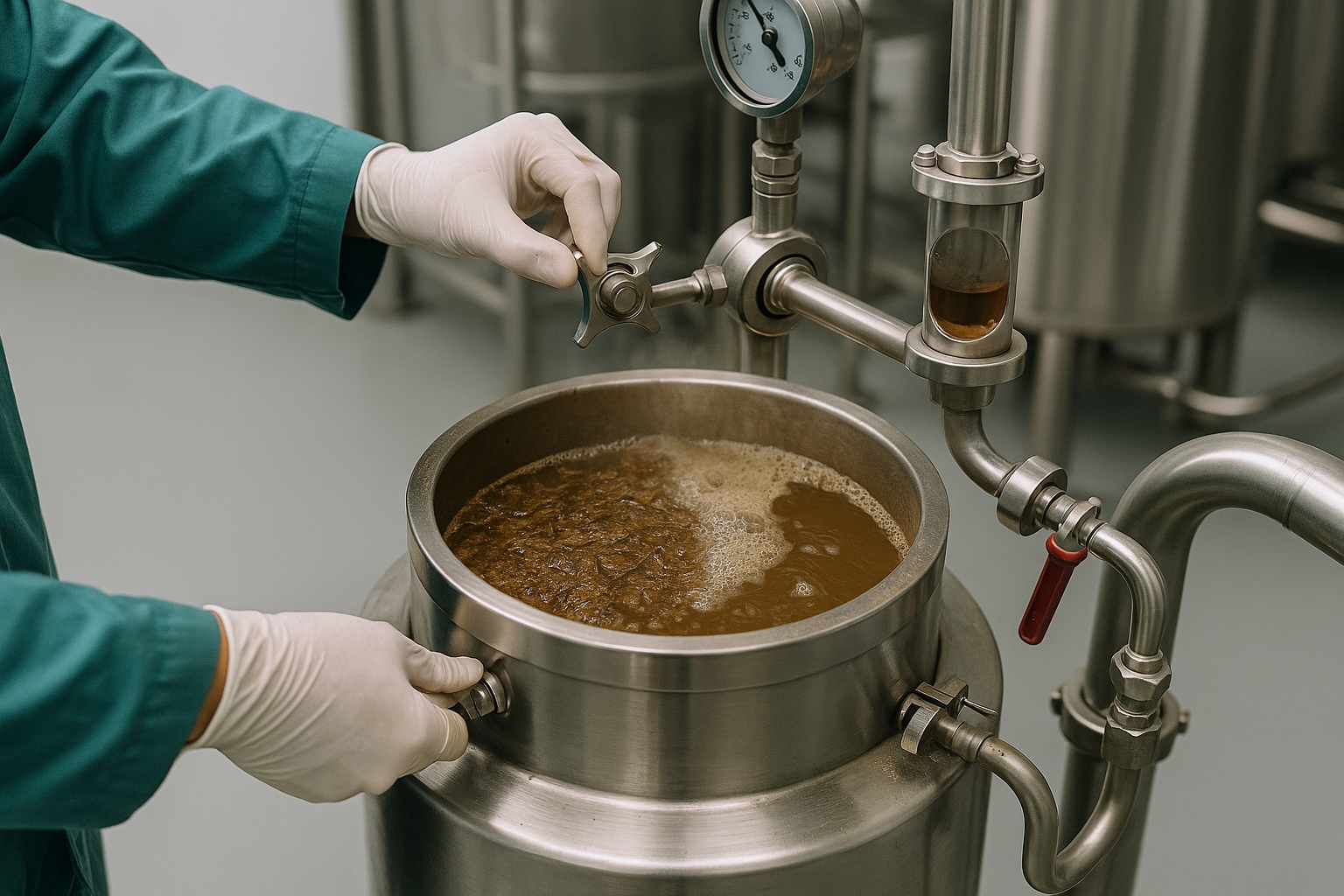
Extraction is performed using food-grade solvents such as water or ethanol, with parameters like time, temperature, and solvent ratio precisely controlled.
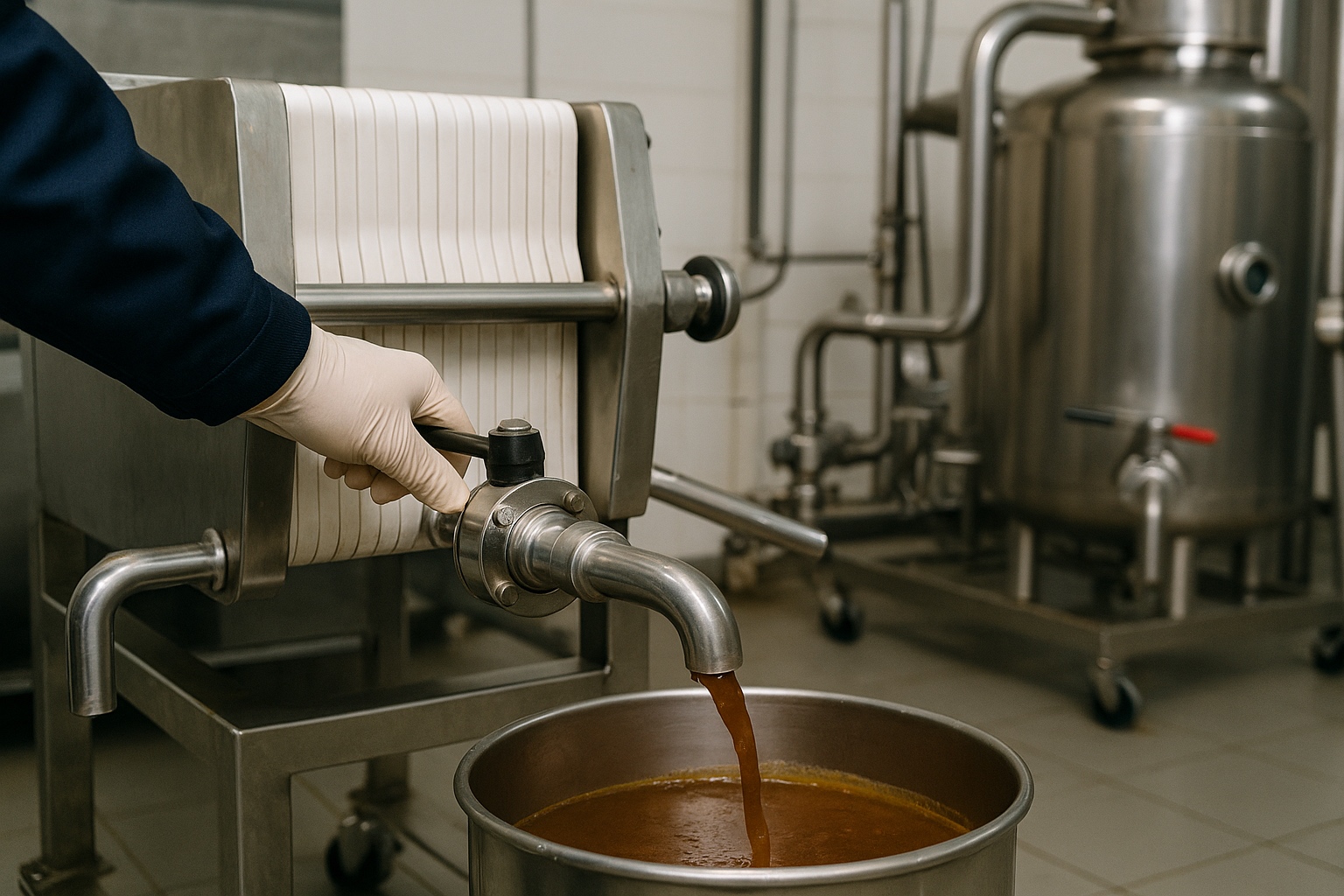
Extracts are passed through multi-stage filtration—including mesh screening, bag filters, or plate-and-frame systems—to remove insoluble residues and clarify the liquid for drying or formulation.
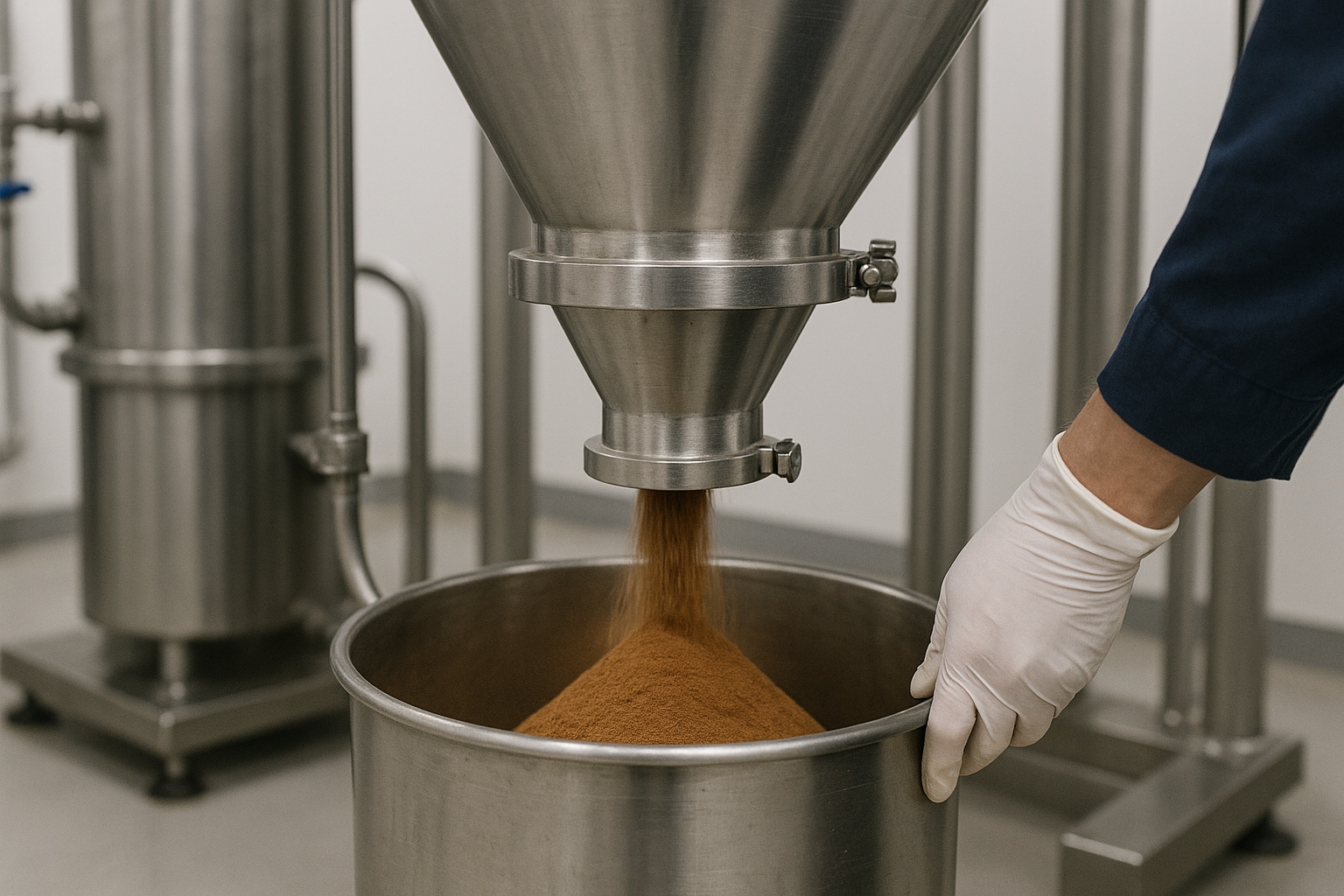
Concentrated extracts are dried via spray drying or freeze drying to form stable, flowable powders while preserving key actives.
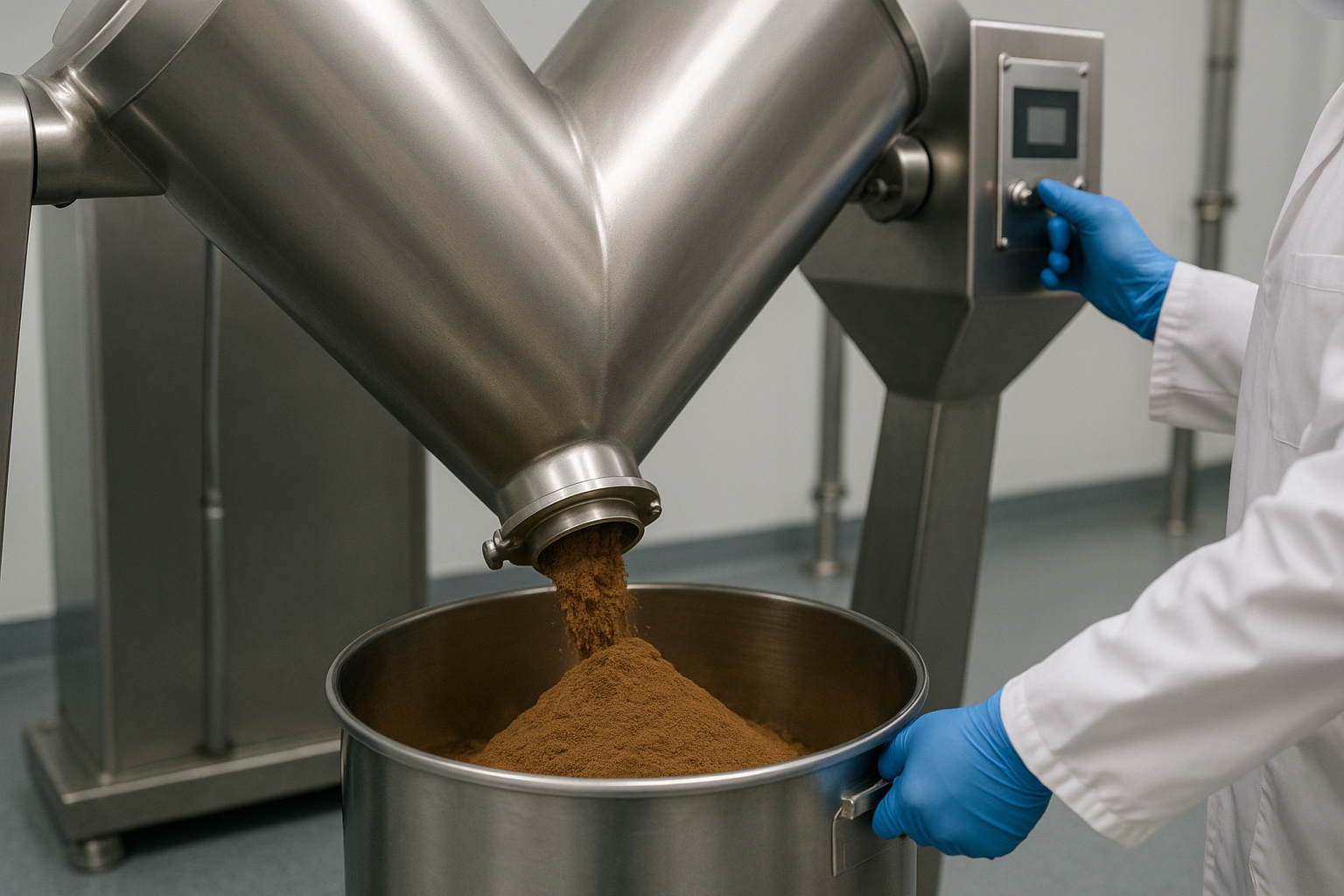
Extracts are blended with carriers if needed and standardized to ensure consistent active compound levels across batches.
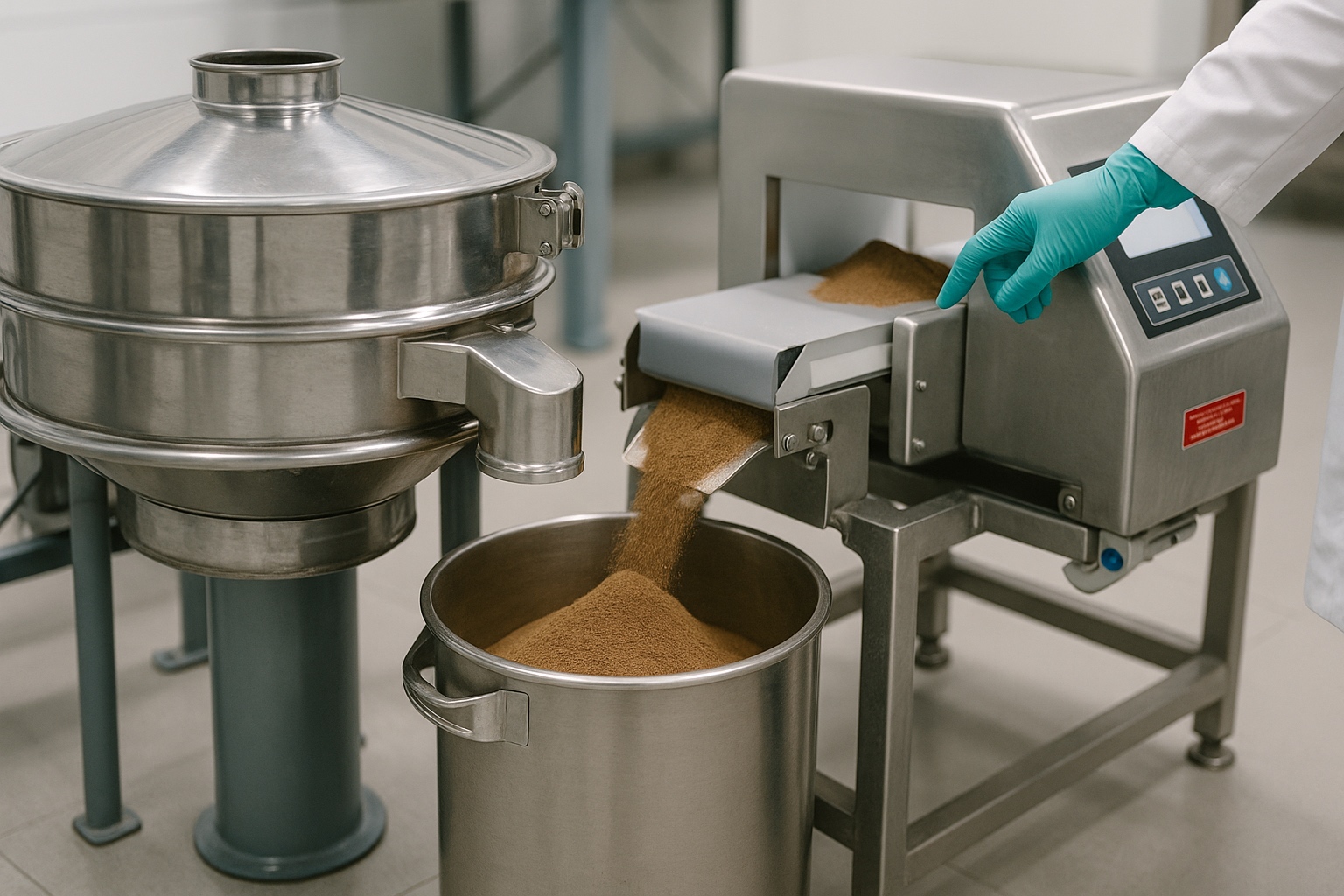
Final powders are sieved to remove clumps and passed through metal detectors to eliminate physical contaminants like ferrous, non-ferrous, or stainless steel particles.
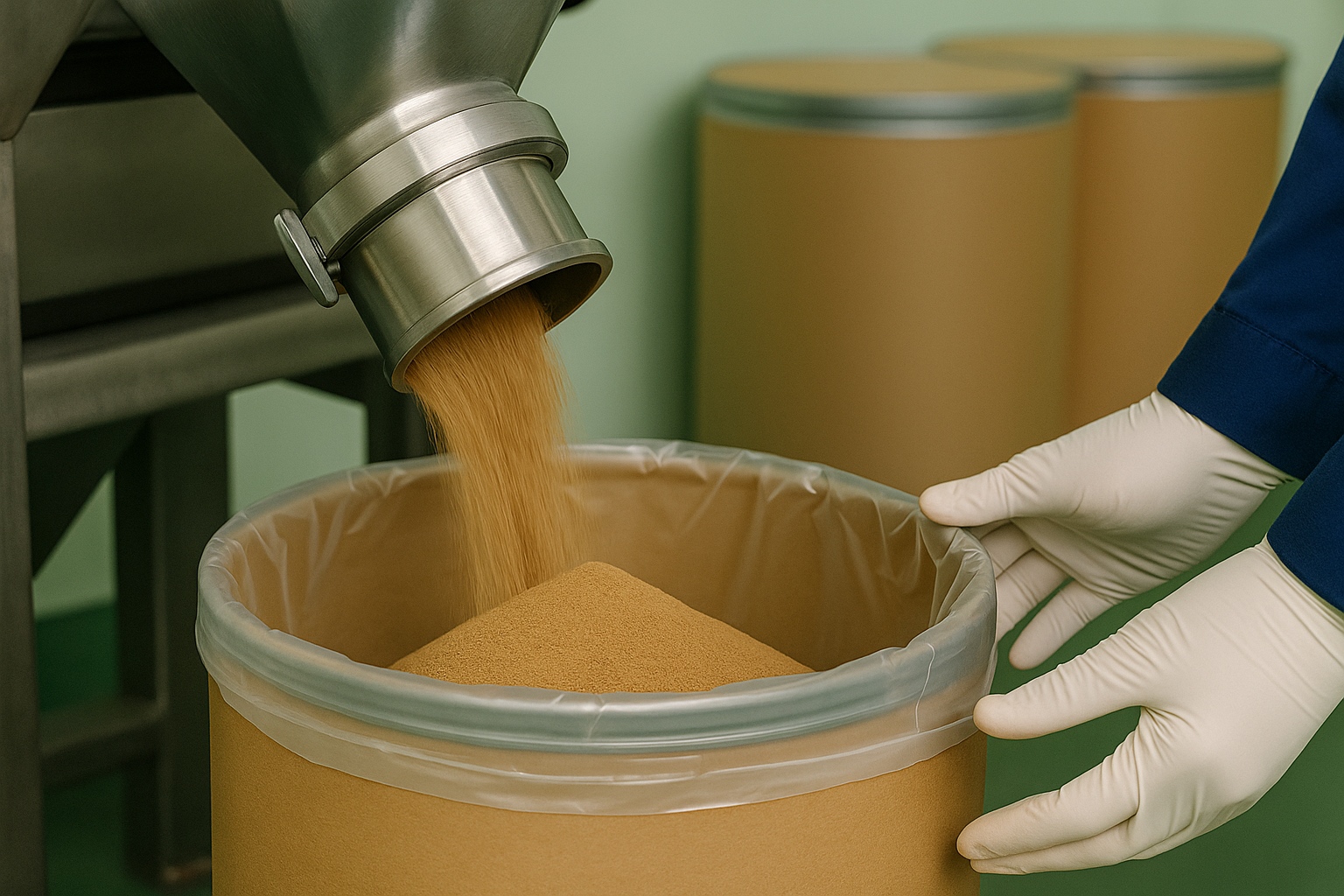
Products are filled into food-grade containers such as fiber drums or foil bags, with measures to protect against moisture and oxygen.
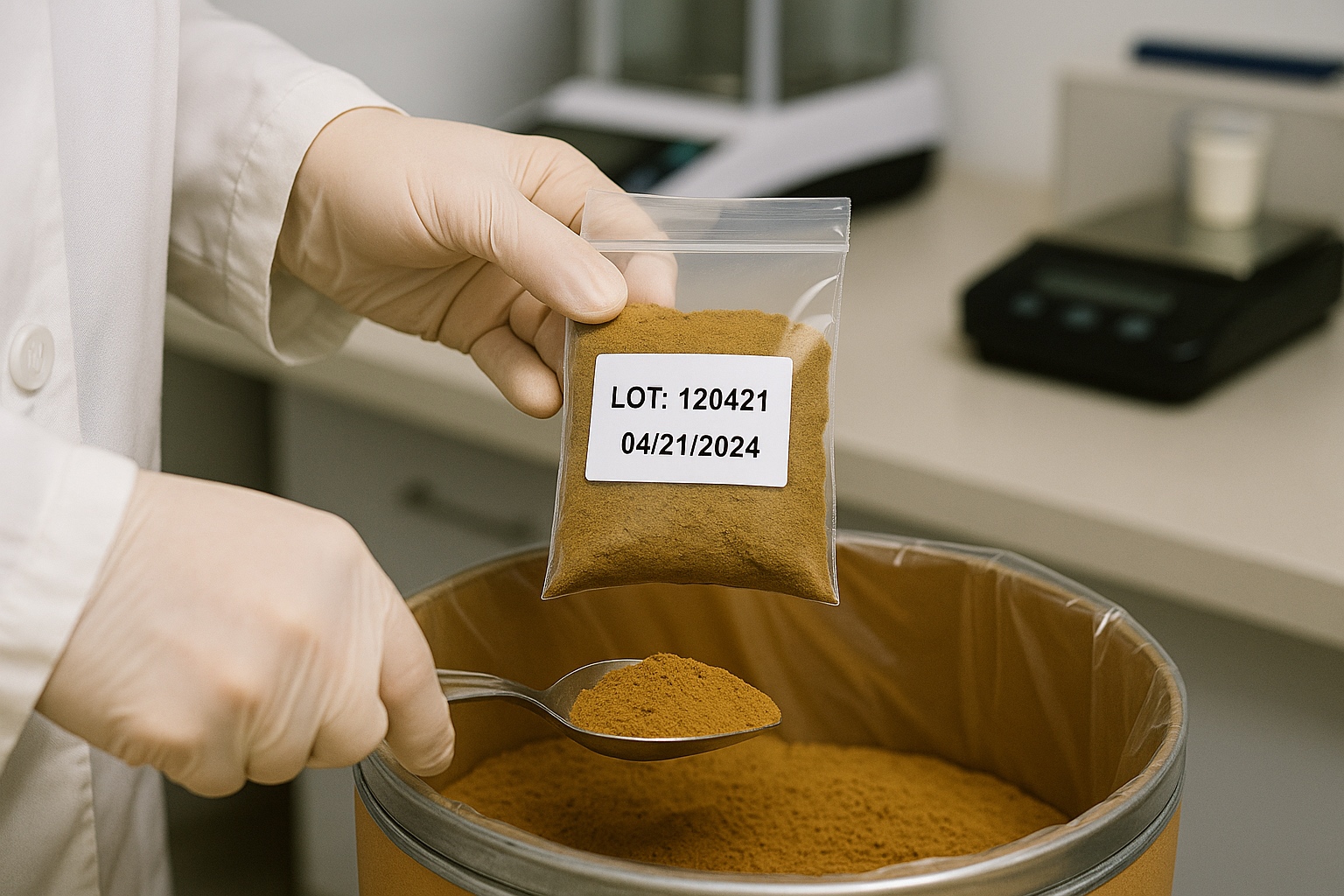
Each batch is tested for actives, moisture, and microbials, with retention samples archived for traceability and regulatory reference.
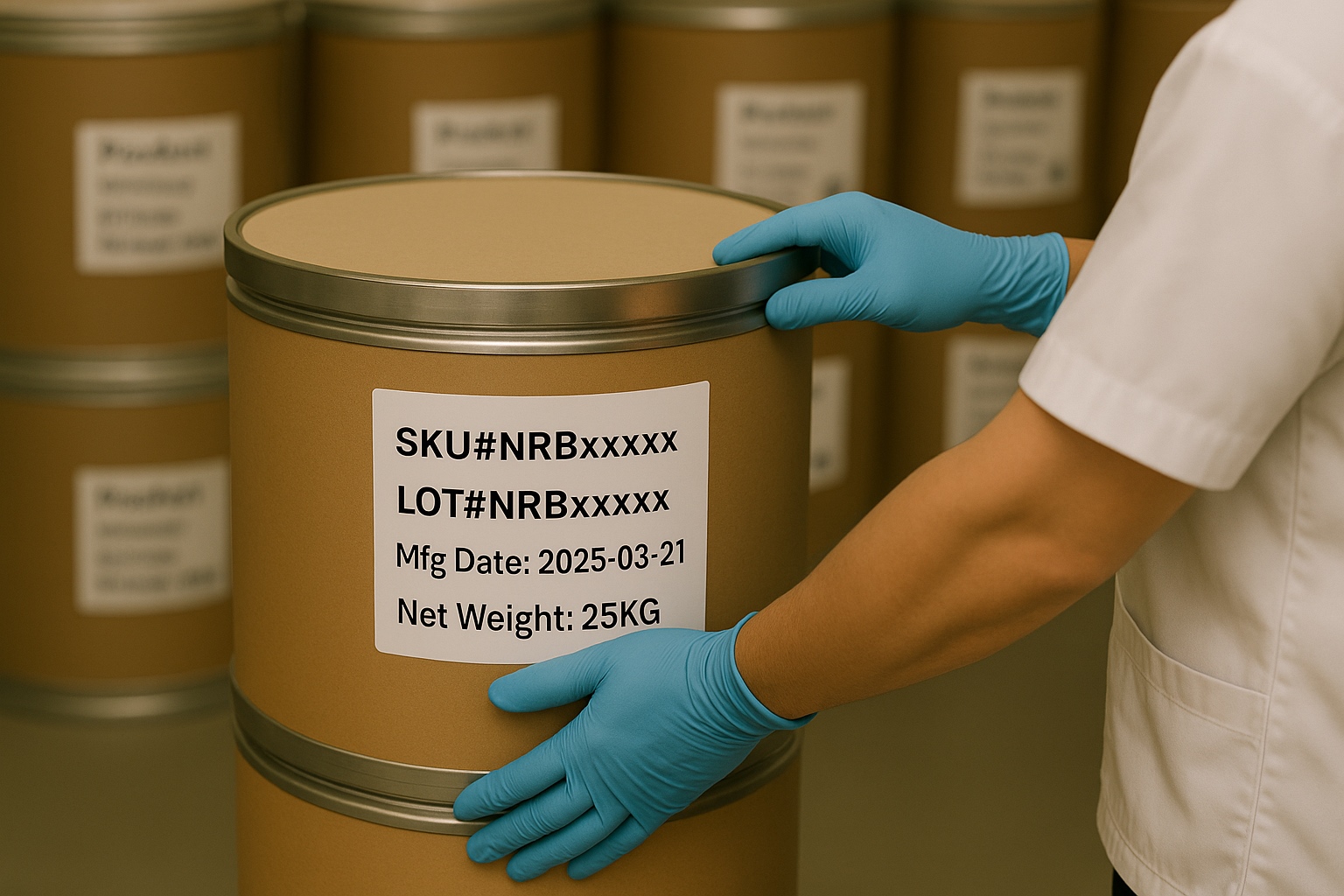
Finished goods are labeled with lot numbers, manufacturing dates, and shelf life, and entered into a digital traceability system linking raw materials to final product.
NutraRoot Bio Botanical Extrac